

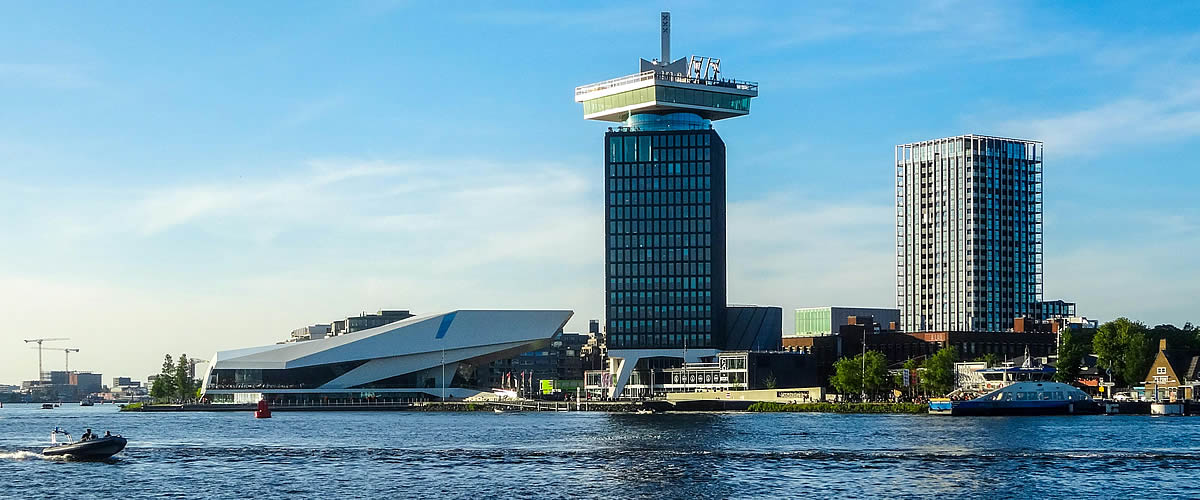
The free ferry glides across the IJ every few minutes. Five minutes is all it takes. Yet that short journey transports you to a different Amsterdam entirely. On the northern bank, industrial cranes pierce the sky. Graffiti colors abandoned warehouses. Wooden houses line historic dikes. This is Stadsdeel Noord—Amsterdam’s most dynamic transformation story.
Population 108.792 (2024)
Stadsdeel Noord consists of 3 areas:
Openresearch.amsterdam
> Onderzoek 2024 Noord
Gemeente Amsterdam
> Subsidies stadsdeel Noord

For centuries, the IJ river separated Noord from the rest of Amsterdam. The water was both barrier and identity. Noord remained agricultural while the city flourished south of the water. Farmers tended cattle in meadows. Fishermen lived in wooden villages. The gallows stood here too—a grim reminder that Noord was Amsterdam’s edge, not its heart.
Everything changed in the 19th century. The opening of the North Sea Canal in 1876 made Amsterdam accessible to steamships. Suddenly, Noord’s open land became valuable. Industries moved north. The Nederlandsche Dok en Scheepsbouw Maatschappij (NDSM) built its shipyard in 1915. It grew into the largest shipyard in the Netherlands. Workers needed housing. Villages expanded. Ferry services multiplied. Noord transformed from farmland to industrial powerhouse.
The shipyard’s death became Noord’s rebirth. NDSM built its last ships in 1979. The massive hangars stood empty. Cranes stopped moving. The industrial heart went silent. But artists saw possibility where others saw ruins.
In the 1990s, squatters arrived. They converted warehouses into studios. They painted murals on rusting metal. They organized festivals in abandoned spaces. What started as occupation became creation. In 2001, Kinetisch Noord formalized the movement. The city recognized NDSM as an official broedplaats—a breeding ground for creativity.
Today, Art City NDSM hosts 80 workspaces. Around 250 artists and craftspeople work here daily. The Scheepsbouwloods warehouse contains exhibitions, studios, and public art. STRAAT Museum displays over 150 street art works. Massive murals cover every available surface. Eduardo Kobra’s Anne Frank portrait welcomes ferry passengers. New pieces appear weekly.
The NDSM-werf Foundation manages 10 hectares of creative territory. Festivals happen year-round. The IJ-Hallen flea market attracts thousands monthly. Over ‘t IJ Festival brought experimental theater each July. NDSM OPEN invites the public into artist studios every October. The raw, colorful atmosphere remains unchanged. The industrial past shapes every creative present.
While NDSM embraced grit, Overhoeks chose sleek modernism. The Eye Filmmuseum opened in 2011. Its white, angular architecture startled traditionalists. Yet it immediately became iconic. The building houses 37,000 films, 700,000 photographs, and 60,000 posters. Four cinemas screen everything from silent classics to experimental works. The permanent exhibition traces cinema history through rare equipment and immersive film clips.
Eye put Noord on Amsterdam’s mental map. Before Eye, city maps often omitted Noord entirely. Now Noord extends Amsterdam’s geography northward. The museum attracts film lovers globally. Its riverside café offers spectacular IJ views.
Next door stands the A’DAM Tower. This 1970s Shell research building got new life in 2016. Its name stands for Amsterdam Dance and Music. The mixed-use tower contains offices, studios, a hotel, and restaurants. Europe’s highest swing dangles from its observation deck. In the basement, Shelter nightclub pulses with electronic music. The tower represents Noord’s commercial evolution alongside its creative roots.
Culture permeates Noord beyond NDSM. Tolhuistuin occupies a former Shell canteen garden. The cultural hotspot contains three theater halls, exhibition spaces, a hip-hop school, and a children’s art center. Its sunny terrace overlooks the IJ. The café serves Mediterranean food. Parallel nightclub operates in the basement. Tolhuistuin programs everything from concerts to spoken word to dance performances.
Smaller venues create intimate connections. Paradiso Noord brings the legendary venue’s spirit across the water. ‘t Zonnehuis theater inhabits a historic art deco building on Zonneplein. Despite its residential location, international artists perform here regularly. The century-old architecture enhances every acoustic performance. De Tanker converted a petrol station into a cultural space. Noorderpark provides the backdrop for varied events and parties.
Cinema Noord combines boutique film with casual dining. Two screens show art-house and popular films. Homemade comfortable seating enhances viewing. The wood oven produces pastries. Natural wines complement the menu. The relaxed atmosphere makes film lovers linger.
Treehouse NDSM offers 100+ private studios in an old shipping yard. Communal event and project spaces welcome all disciplines. Traditional and experimental practices mix freely. Creative workshops teach everything from ceramics to creative writing. The complex represents Noord’s commitment to nurturing emerging talent.
Noord reached a milestone in 2020: 100,000 inhabitants. This population equals cities like Venlo or Deventer. In 2019, no Amsterdam district grew faster than Noord. Construction continues everywhere. The population will likely reach higher numbers in coming decades.
Families choose Noord deliberately. The expensive, touristy, crowded southern districts push people northward. Noord offers proximity without chaos. Amsterdam Centraal station remains minutes away by ferry. Yet Noord provides space, affordability, and community. Young families especially appreciate the balance.
Noord’s population reflects Amsterdam’s diversity. People of non-Western origin concentrate in certain Noord neighborhoods. The area attracts both Dutch families seeking space and international residents seeking affordability. Historic villages like Nieuwendam, Schellingwoude, and Durgerdam maintain their character. Landelijk Noord preserves open green spaces. The mix of urban density and rural preservation defines Noord’s unique character.
Noord isn’t only industrial and urban. Waterland‘s rural grounds stretch along the former Zuiderzee coast. Historic dikes protect reclaimed land. Villages feature wooden fishermen’s cottages and traditional bell gables. Durgerdam‘s authentic character feels worlds away from city life. Ransdorp and Zunderdorp maintain their historic identities.
Cycling these areas reveals spectacular panoramas. Meadows extend for kilometers. Water reflects endless sky. Shores and reed fields frame traditional farmhouses. Café ‘t Sluisje, a 16th-century wooden captain’s villa in Nieuwendam, provides rest with character. Only two kilometers from Central Station, yet it feels timeless.
Noorderpark cuts through the district. The Noordhollandsch Kanaal, completed in 1824, flows through it. The park provides green relief between dense neighborhoods. It connects history with contemporary life. Sports facilities and playgrounds serve local families. The park exemplifies Noord’s commitment to livability alongside development.
Noord attracts forward-thinking initiatives. NoordOogst Urban Agriculture Project demonstrates green thinking. Friekens Brewery beer garden uses locally grown ingredients and traditional recipes. The combination of nature and innovation characterizes new Noord developments.
Sustainable building practices shape new construction. Energy-efficient housing replaces older structures. Green roofs and solar panels appear on new buildings. Bicycle infrastructure expands constantly. The district government prioritizes sustainable transportation. Car-free zones increase. Ferry services expand to reduce traffic.
Cultural institutions embrace sustainability too. Eye Filmmuseum participates in sustainable museum initiatives. Digital versions replace printed materials. Local suppliers minimize transportation. The Cinema Ecologica film series addresses climate crisis. Sustainability integrates into educational programs. These efforts position Noord as Amsterdam’s sustainable future.
Noord’s cultural identity extends beyond venues and festivals. Street art transforms ordinary walks into gallery experiences. Every corner reveals new murals. International artists leave their marks. Local talent emerges constantly. The constantly changing outdoor gallery keeps Noord visually dynamic.
Food culture reflects diversity. Restaurants span global cuisines. Pllek’s urban beach serves Mediterranean food with IJ views. Noorderlicht’s greenhouse café offers vegetarian options. Restaurant Hotel de Goudfazant attracts diners to an industrial warehouse. The culinary scene matches Noord’s creative ambitions.
Markets bring communities together. The monthly IJ-Hallen flea market ranks among Europe’s largest. Vintage finds, handmade goods, and sustainable designs attract bargain hunters. Food festivals celebrate cultural diversity. These gatherings strengthen community bonds while welcoming visitors.
Noord’s transformation continues accelerating. Construction cranes compete with shipyard relics. New housing developments rise constantly. The population grows. Infrastructure expands. Yet Noord maintains its alternative spirit. The raw, unpolished character persists. The creative community protects its breeding grounds. Affordable workspace remains priority. Innovation balances preservation.
Challenges exist. Gentrification threatens affordability. Rising rents push out original communities. Development pressures test Noord’s identity. Will creative spaces survive commercial pressure? Can diversity withstand homogenization? These questions shape Noord’s future.
The district government navigates carefully. Cultural programming receives support. Event policies balance residents and visitors. Night culture gets recognition. Experimentation finds protection. NDSM continues as event location and cultural platform. The Amsterdam Y-stage project promises seasonal multidisciplinary programming. These initiatives suggest Noord will maintain its creative edge.
Transportation improvements continue. New ferry routes connect Noord neighborhoods. Metro extensions are debated. Bicycle bridges span the IJ. Better connections risk destroying Noord’s separate character. Yet isolation limits opportunity. Finding balance remains Noord’s central challenge.
Noord represents Amsterdam’s future—diverse, creative, sustainable, affordable. The journey across the IJ takes five minutes. But Noord’s transformation took decades and continues daily. Industrial past meets creative present. History grounds innovation. Community shapes development. Stadsdeel Noord proves that cities can reinvent themselves while honoring what makes them unique.
The free ferry departs every few minutes. Step aboard. Cross the IJ. Discover Noord. Amsterdam’s most exciting neighborhood welcomes everyone willing to see beyond postcards and canals. Noord writes its own story. It invites you to read it.
The area assignments describe ‘what’ we want to focus on. ‘How’ we are going to do that is described in the implementation plans. The assignments are based on the coalition agreement of the municipality, the wishes of the local government and the input of our residents, entrepreneurs and (social) partners.
> amsterdam.nl/stadsdelen/noord/gebiedsopgaven